
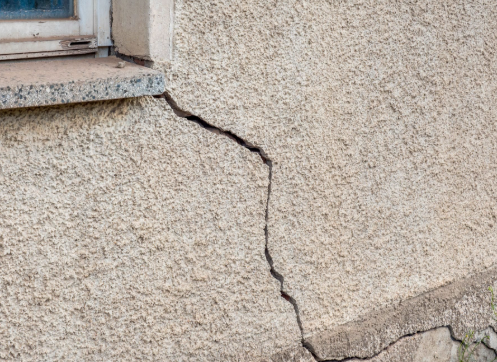
Stucco is one of the most durable exterior finishes you can put on a home—but like anything exposed to sun, weather, sprinklers, and settling over time, it can eventually develop cracks, chips, and damaged areas. The good news: most issues can be repaired. The better news: when repairs are done correctly, they can blend in beautifully and help protect the structure underneath.
At Designs Plastering, Inc., we handle stucco patch repair the right way—focused on long-term performance, not just quick cosmetics.
What Causes Stucco Damage?
Some of the most common reasons homeowners call us for patch repairs include:
Hairline cracking from normal settling or temperature changes
Impact damage (ladders, doors, kids’ bikes, weed whackers)
Water intrusion from failed sealant, poor drainage, or flashing issues
Sprinkler staining and deterioration (constant moisture is a stucco killer)
Improper previous repairs that didn’t bond well or weren’t sealed correctly
Age and wear on older stucco systems
When Should You Repair Stucco?
You should consider a professional repair when you see:
cracks that are widening, branching, or repeating in the same area
soft spots, bubbling, or areas that sound hollow when tapped
stains below windows, rooflines, or around penetrations
missing chunks, exposed lath, or crumbling edges
water damage near the base of the wall
Even small openings can allow moisture to get behind the stucco, and that’s when bigger problems start.
Patch Repair vs. Full Stucco Repair: What’s the Difference?
Patch repair is ideal when the damage is localized—like a cracked corner, a small hole, or a section near a window.
Larger repairs or re-stucco work may be needed when damage is widespread, the base coat is failing, or water intrusion has compromised multiple areas.
A good contractor won’t “upsell” you automatically. The goal is to fix what’s needed—and make sure it stays fixed.
How Professional Stucco Patch Repair Works
A high-quality patch repair is more than smearing material over a crack. A proper repair typically includes:
1) Identify the real cause
If the crack is caused by movement, missing control joints, or moisture problems, the repair needs to address that—not just cover it.
2) Remove loose/damaged stucco
We cut back to solid material so the new patch has a strong, stable edge to bond to.
3) Rebuild the base correctly
Depending on the system, this can include lath repair, scratch coat, and brown coat—done in the proper thickness and cure time.
4) Match the finish texture
Matching texture is the art of repair. Smooth, sand, lace, dash—each requires a different technique to blend into the surrounding wall.
5) Color match or prep for paint
If your stucco is painted, we prep the patch to paint evenly. If it’s colored finish, we work to match as close as possible.
The Reality of Matching Stucco (What Homeowners Should Know)
Here’s the honest truth: perfect invisibility isn’t always possible, especially on older exteriors that have sun fading, weathering, or multiple paint layers.
That said, a professional repair can usually get you:
a very clean blend at normal viewing distance
consistent texture and clean edges
a finish that looks intentional—not like a “patch job”
If your goal is a near-perfect match, painting the wall (or the whole elevation) after repairs is often the best route.
Don’t Ignore These High-Risk Areas
Stucco problems commonly start around:
windows and doors (sealant failures)
roof-to-wall transitions (flashing/drainage)
hose bibs, vents, and wall penetrations
the bottom 6–12 inches of the wall (splashback, poor drainage, sprinklers)
decks, planters, and retaining walls that hold moisture
If you’re seeing staining or cracks in these areas, it’s smart to address it sooner rather than later.
Why “Quick Fix” Stucco Repairs Often Fail
Most failed repairs come from:
patching over loose material
skipping proper base layers
not allowing cure time
poor bonding or wrong product
no moisture management
texture mismatch and rushed finishing
A patch should be built like the original stucco system—layered, bonded, and finished correctly.
Need Stucco Patch Repair? We Can Help.
Whether you’re dealing with cracks, holes, impact damage, or old repairs that look rough, Designs Plastering, Inc. can evaluate the issue and provide a repair that looks good and holds up.
Designs Plastering, Inc.
Office: (805) 469-8395
Email: designsplasteringinc@yahoo.com
CA Contractor License: #1013618