
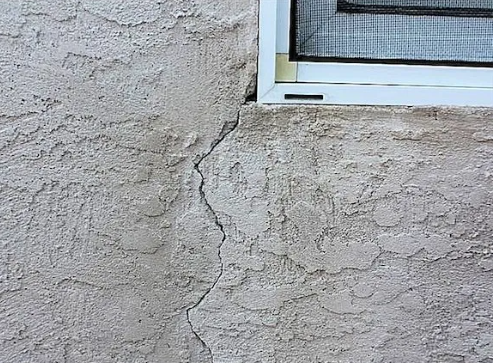
Stucco is one of the most durable and attractive exterior finishes you can put on a home—especially here in California where sun, wind, and coastal moisture can work overtime on exterior surfaces. But even the best stucco systems can develop issues over time. The good news? Most stucco problems are very repairable when you catch them early.
At Designs Plastering, Inc., we help homeowners and property managers restore stucco the right way—so it looks clean, performs well, and protects what matters most: your home.
Why Stucco Gets Damaged
Stucco isn’t “bad” when it cracks—stucco moves with temperature changes, settling, and normal building movement. The key is understanding what type of crack you’re looking at and whether moisture is getting behind the finish.
Common causes of stucco damage include:
Normal settling in the first few years after construction
Temperature swings that cause expansion and contraction
Improper installation (missing control joints, poor lath, thin coats)
Water intrusion around windows, doors, decks, rooflines, or penetrations
Impact damage from landscaping equipment, pets, kids, or moving furniture
Age and weather exposure (UV, salt air, wind-driven rain)
Hairline Cracks vs. Serious Cracks: How to Tell the Difference
Not all cracks mean you have a major problem, but all cracks deserve attention—because once water gets behind stucco, repairs get bigger and more expensive.
✅ Hairline cracks (often cosmetic)
Thin, surface-level lines
Usually straight or lightly spidered
No softness or staining around the crack
These can often be repaired with proper prep and a finish blend—especially if you want it to look seamless.
⚠️ Wider cracks (needs professional evaluation)
Cracks wider than a credit card edge
Cracks that run diagonally from window/door corners
Cracks that keep “coming back” after patching
Areas that feel hollow, soft, or sound different when tapped
These may indicate movement, separation, or moisture intrusion behind the finish.
Signs Your Stucco Repair Can’t Wait
If you notice any of these, it’s time to call a professional:
Stains or discoloration (brown streaks, dark patches)
Bubbling or blistering paint
Stucco feels soft when pressed
Musty smell near interior walls
Efflorescence (white powdery deposits) on the stucco surface
Cracks around windows/doors or roof transitions
These can be early indicators that water is getting behind the stucco system.
Why “Quick Patches” Often Fail
A lot of homeowners try caulk, spackle, or simple patch products first—and sometimes those are fine for a temporary cosmetic touch-up. The problem is that most quick fixes:
Don’t bond correctly to existing stucco
Don’t match the texture or finish
Trap moisture instead of shedding it
Crack again because they don’t move like stucco
The right stucco repair isn’t just filling a crack—it’s restoring the system so it performs like it’s supposed to.
What a Professional Stucco Repair Should Include
A proper repair usually follows a process like this:
Inspect the area to determine the cause (movement vs. moisture vs. impact)
Remove loose or failing stucco (if needed) to reach solid material
Address moisture entry points (sealants, flashing issues, penetrations)
Rebuild layers correctly (lath/waterproofing where applicable, scratch coat, brown coat, finish coat)
Match texture and color so the repair blends naturally
Protect the surface with appropriate finish/paint when required
At Designs Plastering, Inc., we focus on repairs that look right and last—not repairs that “just get by.”
Texture Matching Matters (It’s What Makes Repairs Look “New”)
One of the biggest complaints we hear is:
“The repair looks like a patch.”
That usually happens when the texture isn’t matched properly. Stucco finishes vary widely—smooth, sand, lace, dash, skip trowel, and more. A professional repair should blend in so well that most people won’t notice it.
How to Prevent Future Stucco Problems
A few maintenance habits go a long way:
Keep sprinklers from spraying directly onto stucco walls
Ensure gutters and downspouts move water away from the home
Re-seal around windows/doors when caulking ages
Don’t ignore small cracks—repair early
Maintain landscaping to avoid impact damage
Need Stucco Repairs? We Offer Free Estimates.
If you’re seeing cracks, stains, bubbling paint, or areas that just don’t look right, we can help. Designs Plastering, Inc. provides professional stucco repair and patching services for residential and commercial properties.
Call (805) 469-8395
Email: designsplasteringinc@yahoo.com
CA License #1013618
Serving Ventura, Santa Barbara, and select Los Angeles County areas.